

The Austrian Ecolabel

Green Museum

Image Credits

We are certified!

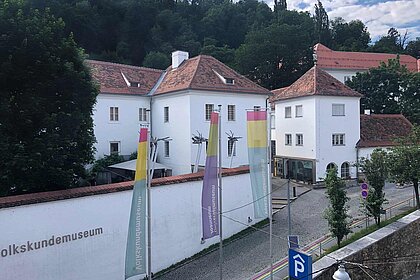
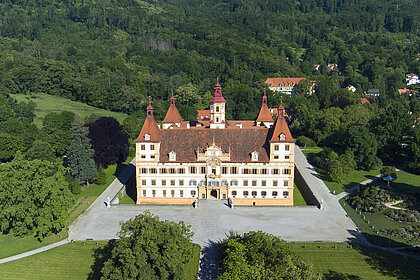
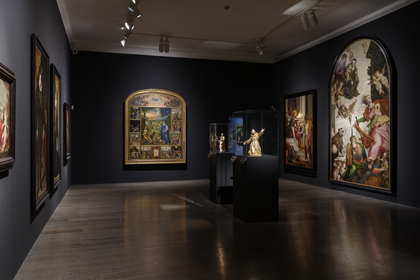
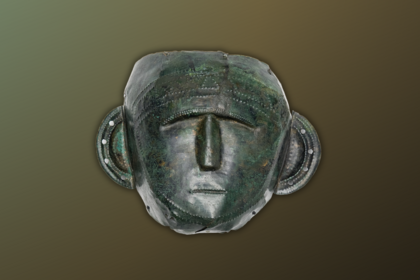
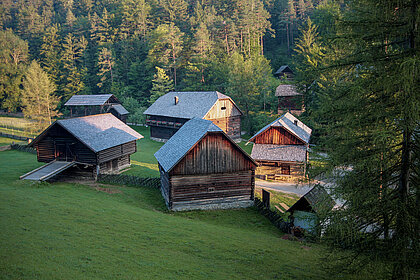
The Austrian Open-Air Museum obtained Green Museum certification in 2025! It thus follows in the footsteps of the Kunsthaus Graz and the Volkskundemuseum am Paulustor, which are also part of the Universalmuseum Joanneum. The Universalmuseum Joanneum is looking to the future: with its 19 museums, the entire Joanneum is part of the Museums For Future network, a global movement of museums, cultural institutions and their employees who support the demands of Fridays For Future. In this way, it fulfils its responsibility as an institution of science, education and discourse and is committed to a sustainable society. This includes supporting climate strikes and communicating the consequences of the climate crisis for nature and humankind.

What is the Austrian Ecolabel?

The Austrian Ecolabel is a seal of quality for ecological business practices awarded by the Federal Ministry for Climate Protection, Environment, Energy, Mobility, Innovation and Technology. It recognises museums and exhibition venues for their environmentally friendly management and social responsibility, thus standing for ‘museums with environmental plus’. The requirements for obtaining the label are set out in a catalogue of guidelines, the fulfilment and compliance of which are assessed by an independent testing body. The Austrian Ecolabel is awarded for a period of four years, after which a new overall assessment is required.

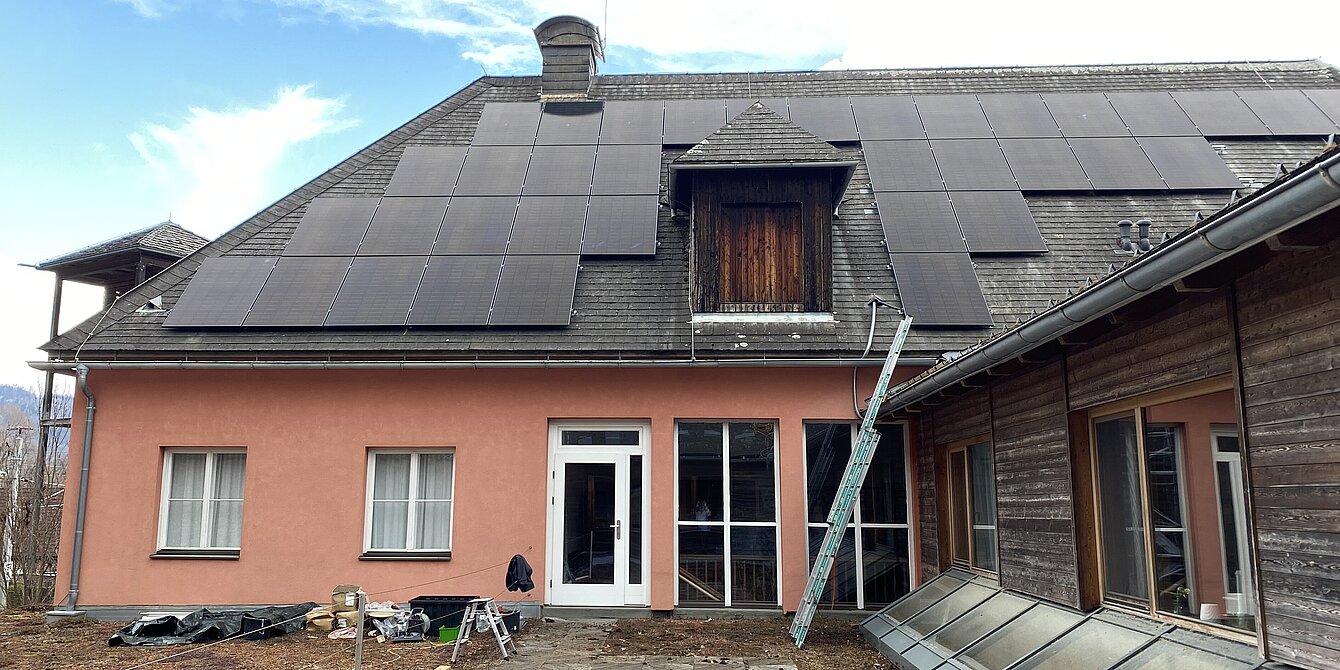
Implementation example: Photovoltaic systems

An important milestone on this journey is the installation of our solar panels on the inventory warehouse and on the entrance and office building. With these panels, we generate part of our electricity needs ourselves – sustainably and in an environmentally friendly way. This not only reduces our CO₂ emissions, but also makes us less dependent on external energy sources and rising electricity prices. However, photovoltaics is only one part of our commitment. As a Green Museum, we take a holistic view of sustainability: from energy-efficient building management and resource-conserving working practices to raising awareness among our visitors. We want not only to preserve history, but also to take responsibility for the future.

Image Credits

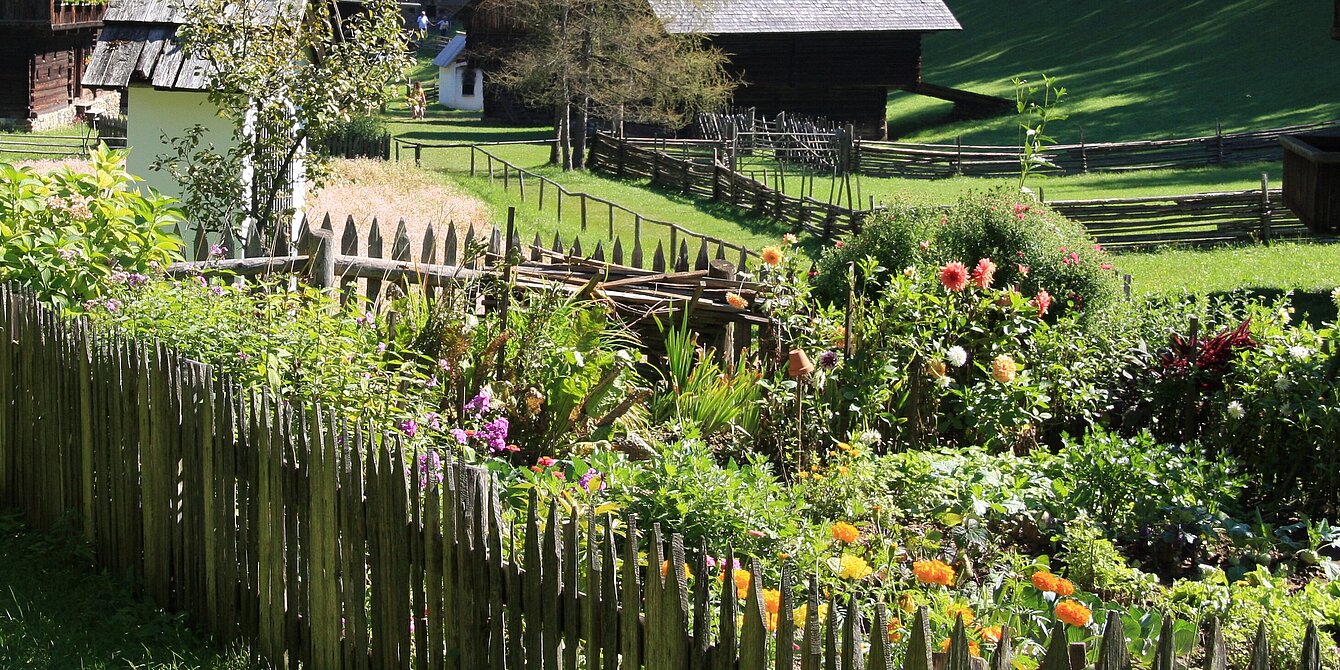
Organic-certified gardens

A significant step in this process was the organic certification of our gardens on the museum grounds. This means that our green spaces are managed in accordance with ecological guidelines: without synthetic pesticides or chemical fertilisers, but using natural methods that protect the soil and promote biodiversity. Our gardens thus provide valuable habitats for insects, birds and many other animal species – an important contribution to the preservation of biodiversity. Organic certification is another building block on our journey as a Green Museum. It demonstrates that ecological responsibility is practised not only inside our buildings, but also in the outdoor spaces – consistently, with a focus on the future and with future generations in mind.

Image Credits