History

An open-air museum for the whole of Austria – then and now

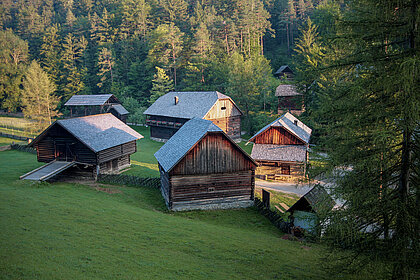
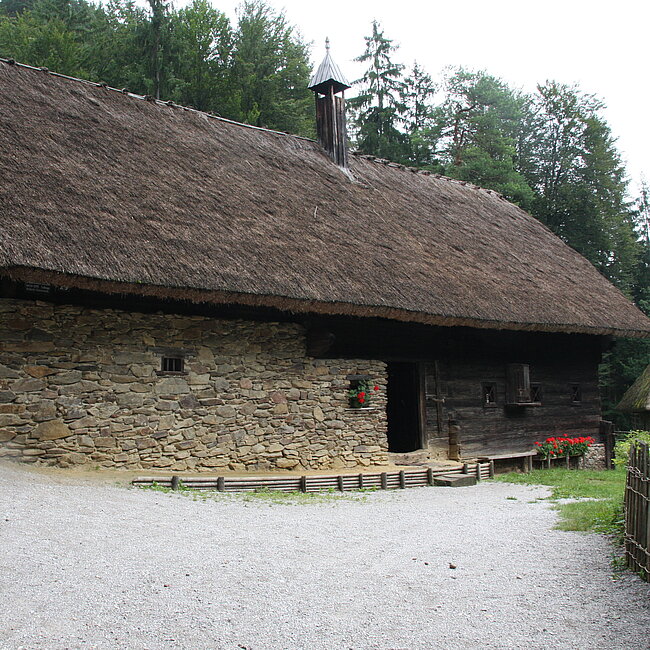
The museum grounds cover an area of around 65 hectares and stretch for approximately 1.4 kilometres through the Enzenbach valley. The museum houses 103 objects from across Austria and South Tyrol, primarily farmhouses, but also farm buildings, craft workshops and religious buildings, complete with their contents or household goods.

Image Credits

Time table of development

2019 Incorporation into the Universalmuseum Joanneum.

2018 The Federal Foundation, as the legal entity, is dissolved.

2014 Inaugural meeting of the new Board of Trustees.

2013 Inaugural meeting of the new Board of Directors.

2012 Amendments to the Articles of Association, made by the federal ministries and provincial governors, which transferred sole responsibility to the Province of Styria, come into force.

1987 Inaugural General Assembly of the Federal Foundation.

1986 Establishment of the Federal Foundation ‘Austrian Open-Air Museum’ as a charitable foundation, with Federal Minister Dr Heinz Fischer linking the sponsoring body to the trustees.

1985 Opening of the exhibition building and research centre for domestic architecture.

1970 Opening of the Austrian Open-Air Museum.

1962 Foundation of the ‘Austrian Open-Air Museum’ association and presentation of the project for a central open-air museum for Austria.

1961 Policy decision by the Province of Styria regarding the intention to establish a pan-Austrian (central) open-air museum.

Image Credits

Collection

The collection of the Austrian Open-Air Museum comprises 103 historic rural structures from across Austria and South Tyrol. These include original historic buildings as well as replicas and reconstructions dating from the past six centuries. The museum aims to provide visitors with as authentic and comprehensive a picture as possible of the buildings and their historical significance. Each structure tells its own story and helps to bring the past to life.

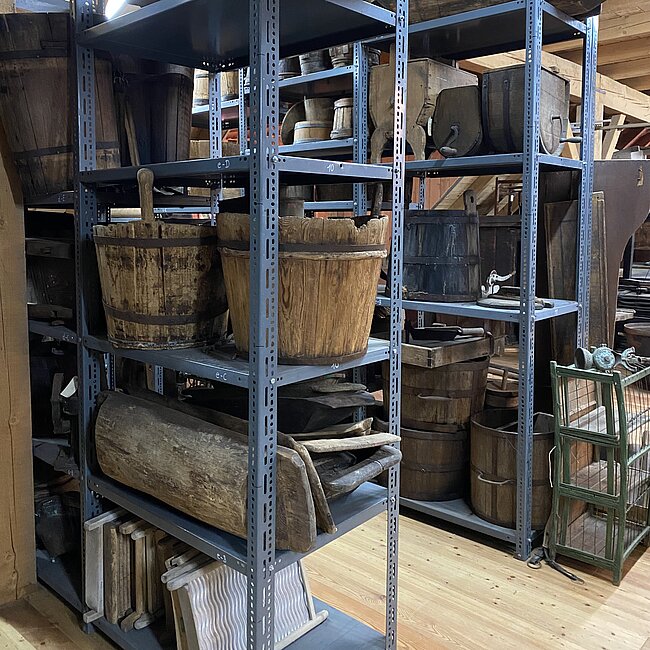
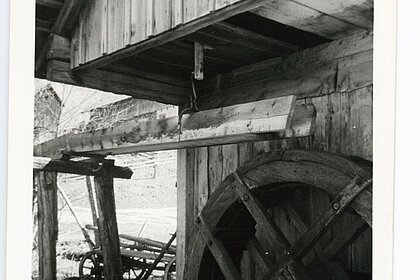
In addition, the museum houses around 130,000 rural work and everyday objects. These have been collected through targeted acquisitions and donations from private individuals and institutions. The wide variety of objects helps to present a vivid and detailed picture of the life and work of the rural population in past centuries.

The Austrian Open-Air Museum is committed not only to preserving the historic buildings and objects, but also to conveying their original function and significance. Through careful reconstructions and the presentation of the objects in the context of their use, visitors can gain a unique insight into daily life in times gone by.

Image Credits

Relocation

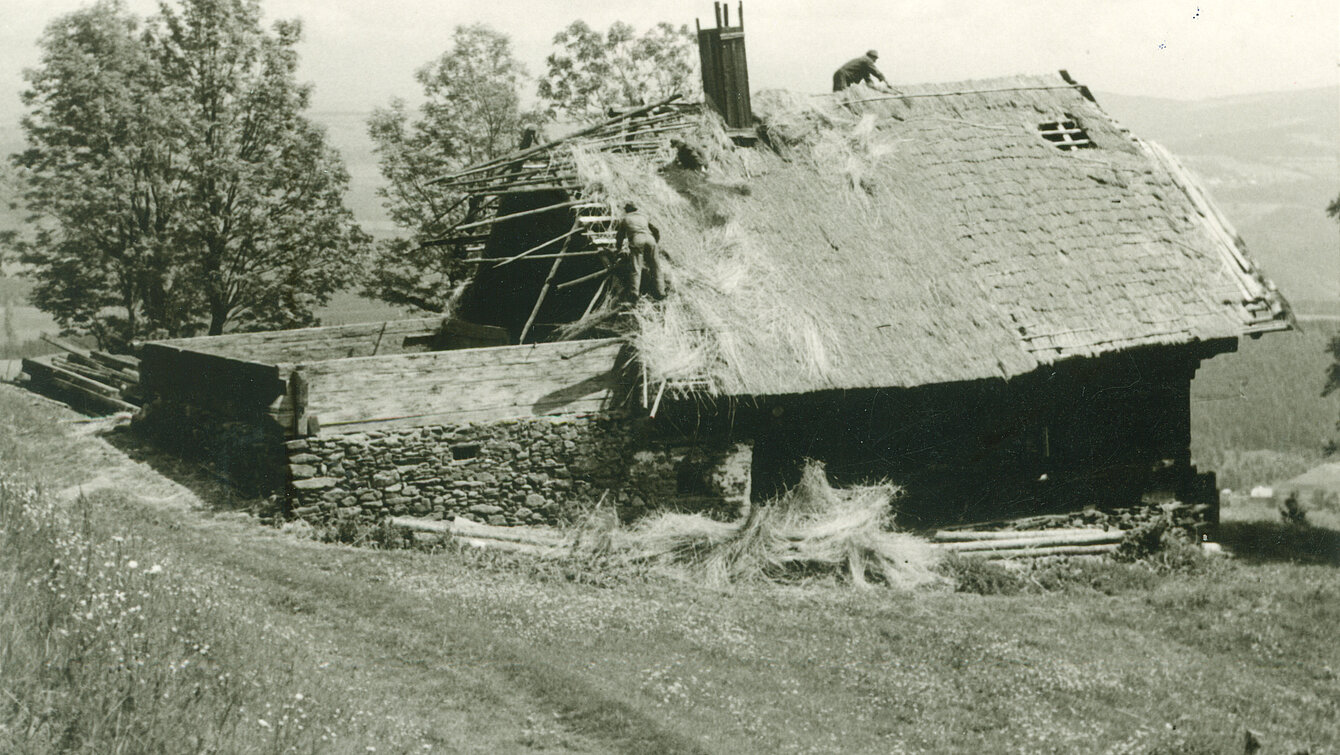
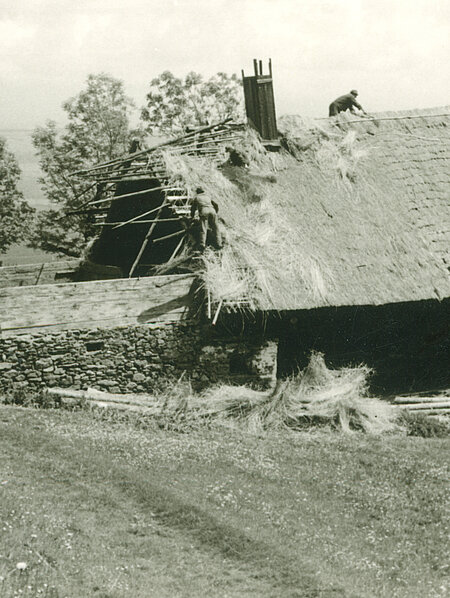
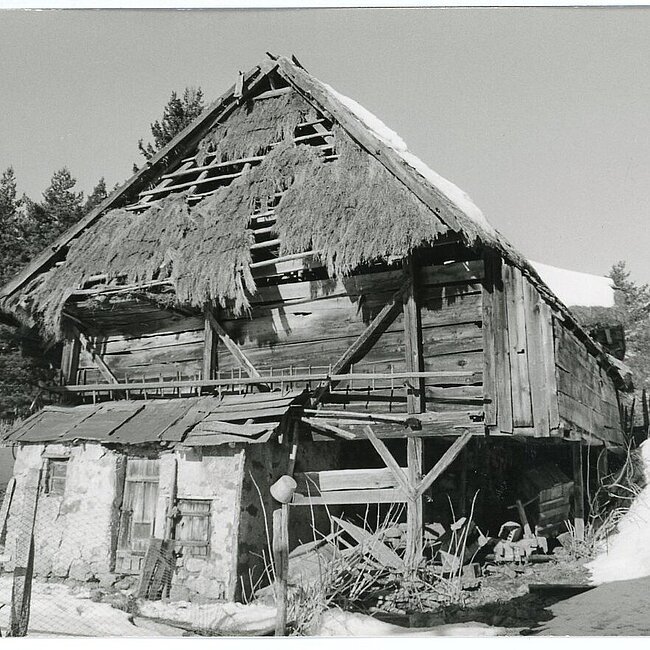
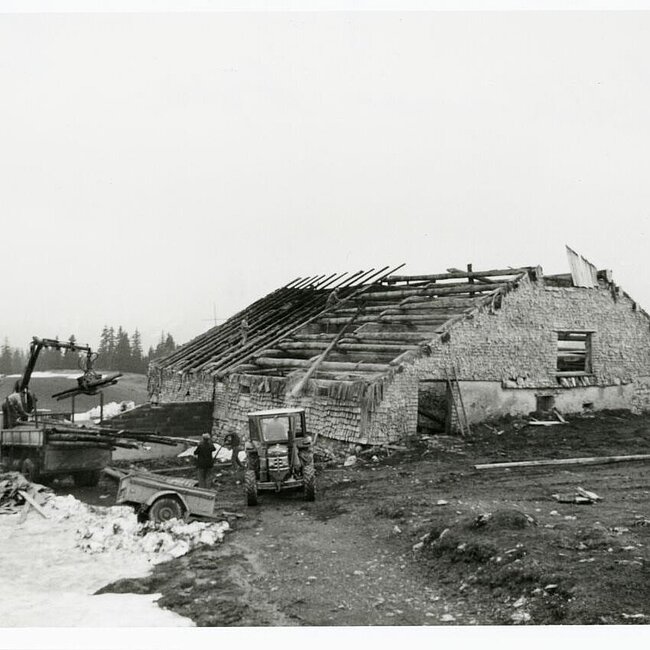
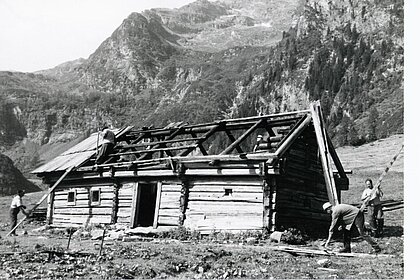
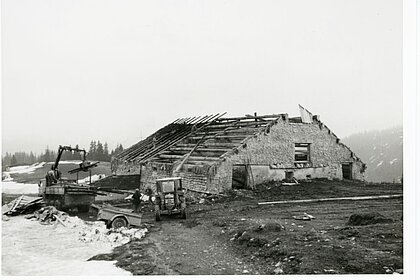
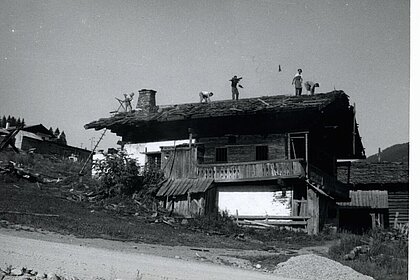
Relocation is a process involving the moving of buildings. Historic buildings that have ceased to serve their original purpose at their original site are transported to a new location. Many of these buildings have thus found their way to the Austrian Open-Air Museum.

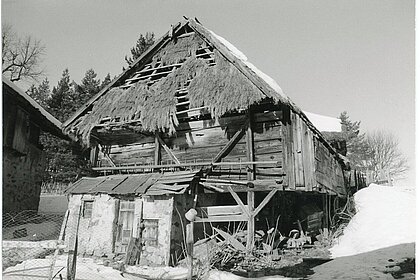
First, the building is documented through drawings and photographs. Every single structural element is carefully labelled. Only after this detailed survey has been completed can the building be carefully dismantled. Before reconstruction on the museum grounds, damaged parts must be restored or replaced with high-quality reclaimed timber. Special conservation measures are also taken to combat pests such as woodworm or dry rot, in order to preserve the building in the long term.

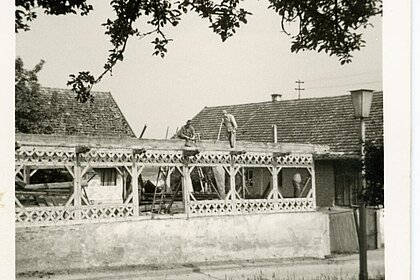
Once reconstruction is complete, the building is fully furnished. It is equipped with the necessary household items and tools so that it is fully functional. The preservation or reconstruction of fireplaces, such as stoves and ovens, is particularly important, as they play a central role in depicting the ways of living and working at that time. Once reconstruction is complete, the relocation of the building is also finalised.

Image Credits

House research

The Austrian Open-Air Museum in Stübing fulfils a wide range of important functions that go far beyond simply presenting exhibitions. Its core tasks include collecting, preserving, documenting and disseminating knowledge. These activities are not limited to the objects themselves, but also encompass the history and traditions associated with the buildings and everyday objects on display.

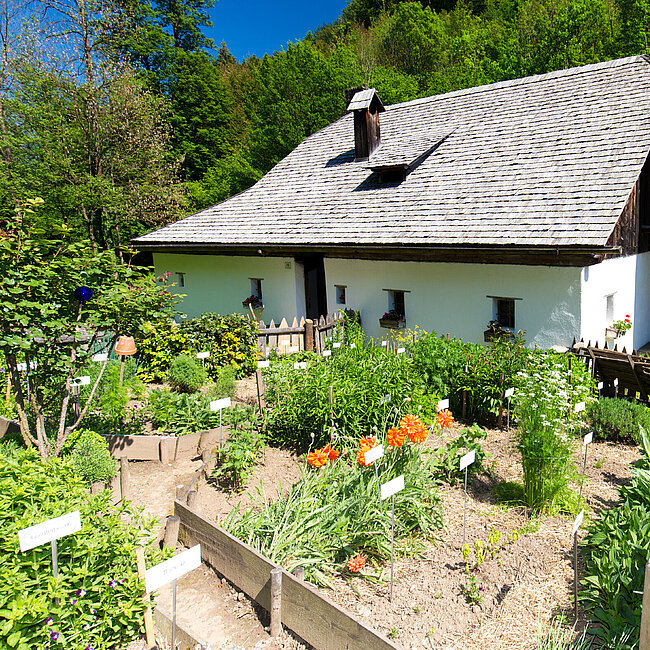
The museum’s work brings together many different disciplines. In addition to folklore and history, insights from the fields of architecture, restoration, agricultural science and botany are also incorporated into its work. In this way, every building, every object and every detail is examined from various academic perspectives in order to gain the most comprehensive understanding possible of the past.

Collaboration with other institutions and experts from various fields of research is also particularly valuable. Through close cooperation and the exchange of knowledge, the latest scientific findings are integrated into the collection and its presentation. This interdisciplinary approach helps to bring the history and way of life of bygone eras to life, whilst at the same time gaining new perspectives.

Image Credits

Green Museum

The Austrian Open-Air Museum was awarded Grünen Museum certification in 2025!

The Austrian Eco-Label is a national quality mark awarded by the Ministry of the Environment. It recognises museums and exhibition venues for their environmentally friendly management and social responsibility, and thus stands for ‘museums with an environmental edge’. 

The Austrian Eco-Label for tourism, catering and cultural organisations was established in 1996 as a quality mark that demonstrates a company’s environmentally conscious management and social commitment to the outside world. Originally focused solely on tourism, the guidelines have been expanded in recent years to include new types of businesses in the catering and cultural sectors.

These businesses are committed to preserving the foundations of life, look after the well-being of their guests and, in doing so, also save on operating costs. Using a comprehensive list of criteria, a business is assessed in the following areas: general business management, environmental management, energy, water, waste, air, noise, office, cleaning, chemicals, hygiene, building and housing, facilities, food, kitchen, transport and outdoor areas.

Image Credits

Projects

Third-party-funded projects enable the Austrian Open-Air Museum both to preserve and pass on knowledge about the lives, homes and work of our ancestors, and to take a step into the future in various areas, such as digitalisation.

These projects are of crucial importance, as they allow the museum to develop innovative forms of education, address current issues and simply keep up with the times, whilst naturally always prioritising the preservation of the ‘old’.

They build bridges between the past and the present and ensure that the museum’s cultural heritage remains relevant and accessible to future generations.

Current project: InnoGuide4CHT (Interreg Austria-Hungary)

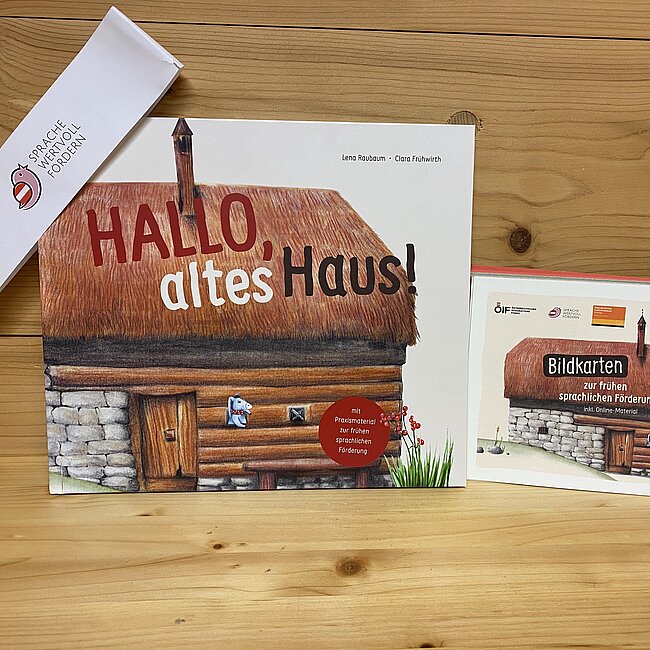
Past projects: Eurevita (Interreg Slovenia–Austria), AK Project Fund ‘Work 4.0’, Forest Fund project, children’s book project with the Austrian Integration Fund, Sparkling Science project

Image Credits

Library

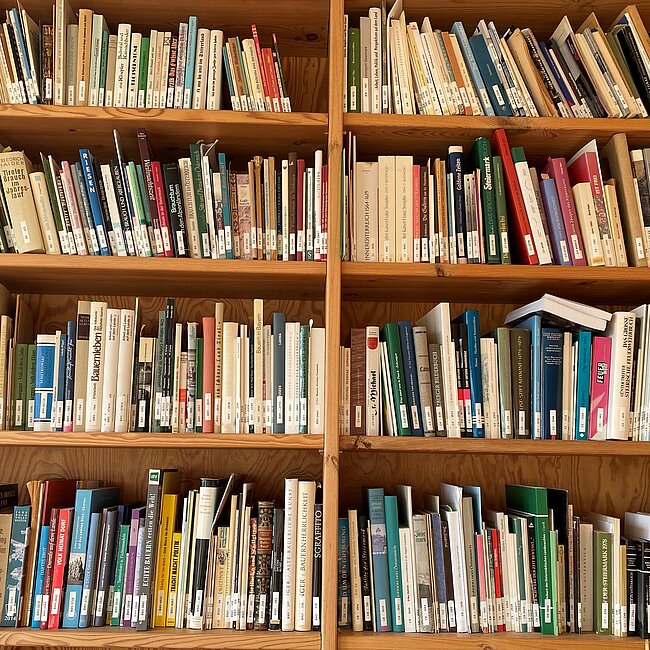
The Austrian Open-Air Museum has an extensive collection of approximately 3,000 books, comprising specialist literature on architectural and everyday life research. The library also houses numerous specialist journals dealing with academic topics in folklore and architectural research. The collection is constantly being expanded to keep pace with the latest developments in the field.
The Austrian Open-Air Museum’s paper archive also contains a large number of historical books, which, however, require specialist storage conditions. The specialist library at the Austrian Open-Air Museum in Stübing is a reference library and is available to visitors by appointment. Interlibrary loans are possible upon registration.


Contact
Mag. Reinhard Tuder
reinhard.tuder@museum-joanneum.at
+43-3124/53700-14


Image Credits

Archive photos

Image Credits

Image Credits

Image Credits

Image Credits

Image Credits

Image Credits