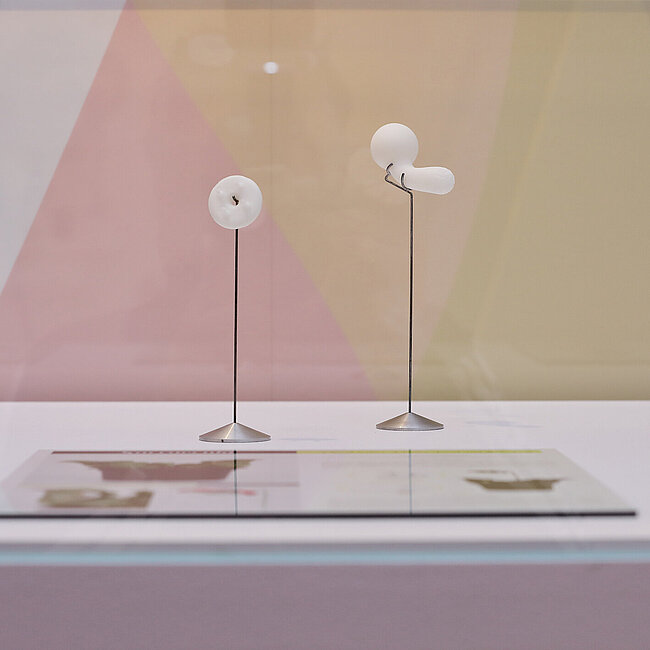





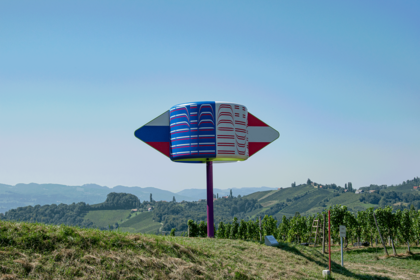





As part of BLOOM, an artwork by PSX Consultancy is being presented in the exhibition.


Image Credits
Duration
24.04.2026 - 12.09.2027
Opening
23.04.2026 19:00
Location
Natural History Museum, Sonderausstellungsräume 2.OG
Show all
The exhibition Flower Sex provides enlightenment on the diverse and surprising love life of plants: plants are living beings, and yes – they too have sex. Their ‘pleasure centres’ are their flowers – these contain stamens and ovaries, meaning their sexual organs. Gender relations in flowers are extremely diverse: male, female, hermaphrodite and even sterile – anything is possible, in every conceivable combination.
Plant sex is all about how pollen grains reach the right stigma. This is not so easy when you consider that plants are by and large firmly rooted and so cannot move towards each other. To bridge the distance, they are therefore supported in the act by numerous helpers: bumblebees, beetles, butterflies and even birds act as the postillon d’amour. Other plants entrust their pollen to the wind. And some avoid this process altogether – they remain asexual throughout their lives.
After pollination, fertilisation takes place: in this, a pollen cell fuses with the egg cell, creating a new, unique combination of genes from the parental genetic material. This genetic diversity in offspring has made possible the rapid development of many flowering plants. The resulting biodiversity is an important factor in the stability of our ecosystems.
So what is the purpose of all this sex? It serves solely to mature seeds from which a new generation of genetically diverse plants can grow. We humans also benefit from this, as many fruits and seeds form the basis of our diet.
As part of BLOOM, an artwork by PSX Consultancy is being presented in the exhibition.
Glimpses
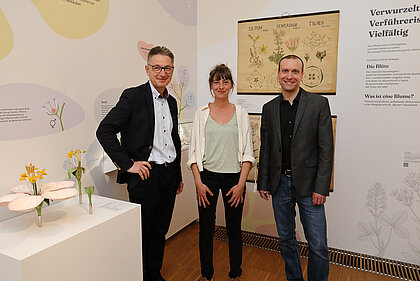
Image Credits
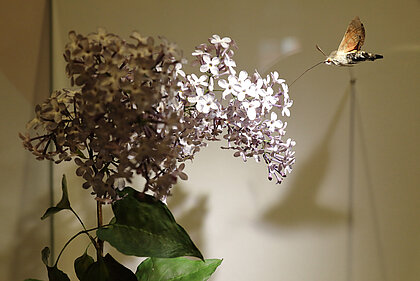
Image Credits
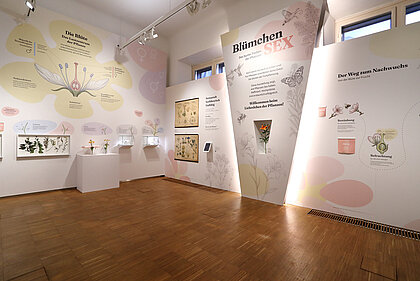
Image Credits
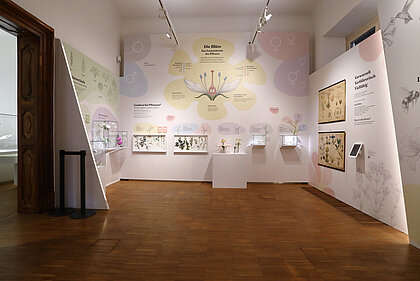
Image Credits
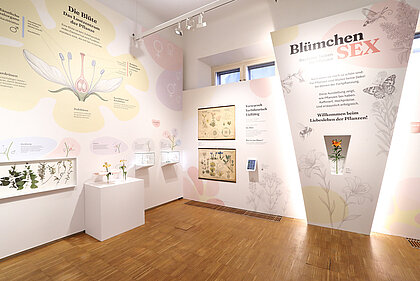
Image Credits
Image Credits
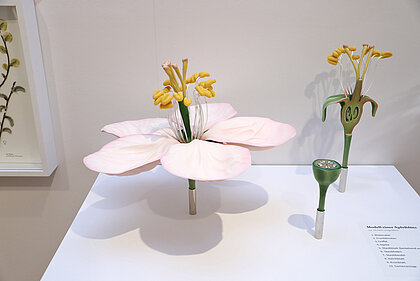
Image Credits
Image Credits
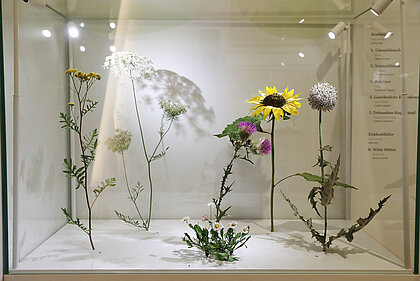
Image Credits
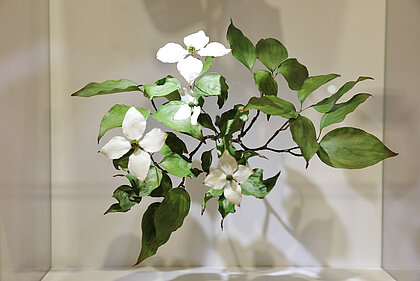
Image Credits
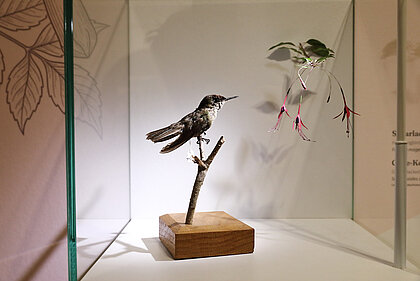
Image Credits
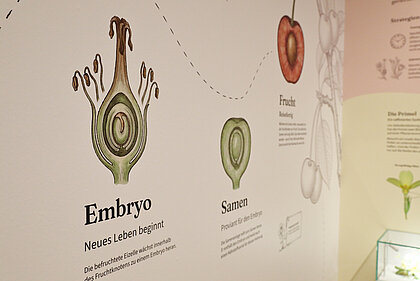
Image Credits
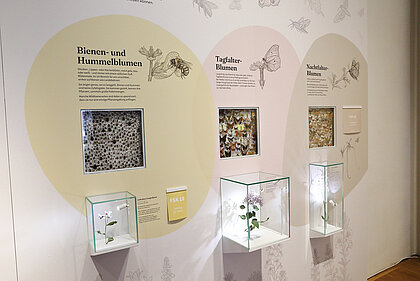
Image Credits