



Programme

Archive

2013

22.07. - 26.07.

The history of displaying in museums

The history of displaying in museums

Via the example of the museums of Berlin

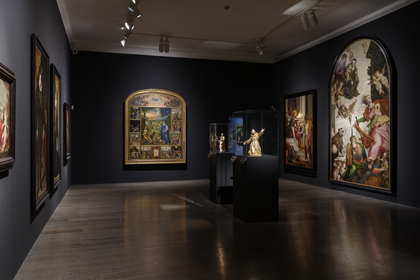
The history of the museum is a history of displaying, arranging, and assembling objects and design elements in space for the purpose of mediation. Regardless of whether they are arranged as total works of art (Gesamtkunstwerk) that you can stroll through like the cabinets of curiosities, or spacious museum halls using labels to provide information on encyclopaedic collections; or whether they are realised as environments, or prepared according to didactic principles; or whether they are staged using atmospheric media, or designed for interaction – every form of presentation is an expression of its time.

2013

27.06. - 29.06.

Land of mountains and museums

Land of mountains and museums

Switzerland

Thanks to Switzerland’s cantonal structure, there is a great museum every couple of kilometres. We would love to visit them all, but since this isn’t possible on a three-day trip, we have selected a number of interesting museums covering a wide range of types, sizes and sponsors.

2013

13.06. - 14.06.

Understanding, revealing, discovering

Understanding, revealing, discovering

Research in museums

In 2008, the Austrian Federal Ministry of Science and Research (bmwf) started the forMuse – Research in Museums programme and thus, for the first time, created a funding instrument for museum research projects. We would like to take this programme, which is currently in its final phase, as an opportunity to take a closer look at the overall picture of research in Austrian museums. 

2013

03.06. - 04.06.

From the 19th to the 21st Century

From the 19th to the 21st Century

Privatisation and the status of museums in civil society

The privatisation of the Universal Museum Joanneum in 2003 was probably the museum’s biggest organisational change in its 200-year history. 

2013

09.05. - 11.05.
Istanbul

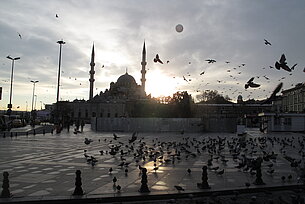
Istanbul

The city as museum

In the course of its history, Istanbul has been the centre of power of three empires and is today a cosmopolitan city on two continents with around 13 million inhabitants and more than 50 museums. On account of its historical significance and location, Istanbul has been shaped by two cultural spheres, which overlap and mix in the structure, appearance, and everyday life of the city. 

2013

11.04. - 12.04.
On second thought

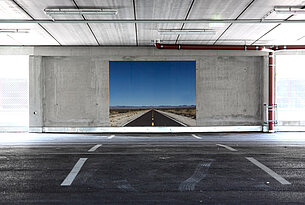
On second thought

Curatorial reconsiderations of collections

Museums primarily define themselves through their collections. The public is often told that one of the reasons for the expensive conversation of such collections is that the viewing of art works, for instance, is a joy and a pleasure, or that new knowledge can continually be gained from collections, which, when presented in the form of exhibitions, promises the public new potential insights. 

2013

22.02. - 23.02.
Exclamation points of history

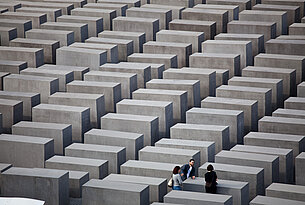
Exclamation points of history

Contemporary memorial sites in Berlin

The American anthropologist Barbara Kirshenblatt-Gimblett has stated that museum objects and in situ presentations are not given as such, but only come about through specific meta-cultural operations and museum practices. These always involve an interpretation of remains, which is inseparable from current world views and didactic concepts. 

2013

31.01. - 01.02.

If, how and why?

If, how and why?

Museums shops between culture and consumption

For many visitors, taking a final, leisurely stroll through the shop is a natural part of any museum visit. For museum professionals, however, the topic of the shop is a particularly tricky one (...)